
Dentist Marrickville | True Smiles Dental

Opening Hours

Mon-Fri: 9:00 AM - 5:00 PM
Sat: 9:00 AM - 5:00 PM

Call Us

(02) 7228 7272

Invisalign vs. Braces: What’s Best for Adults in Their 30s and 40s?

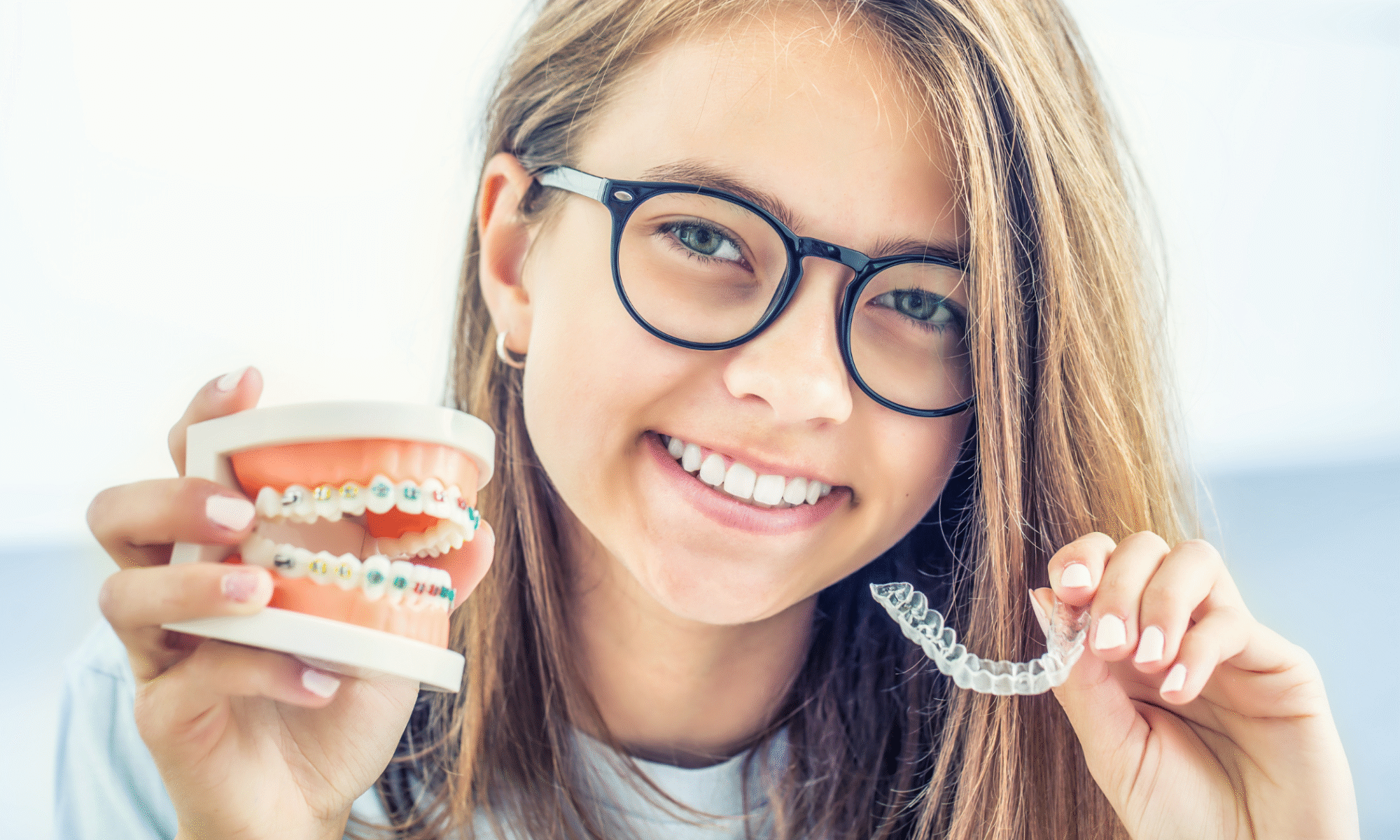
Thinking about straightening your teeth as an adult? You’re not alone. More Aussies in their 30s and 40s are exploring orthodontic options — not just for aesthetics but for better dental health, too. And thanks to modern advances, you’re no longer limited to the traditional “metal train tracks” of your teen years.

The big question is: Invisalign or braces — which one’s right for you?
In this article, we’ll break down the pros, cons, and lifestyle fit of each option, especially if you’re juggling work, family, and a full calendar.


Table of Contents

  1. Why Adults Are Choosing to Straighten Their Teeth

  2. How Invisalign Works

  3. How Traditional Braces Work

  4. Key Differences: Invisalign vs. Braces

  5. Lifestyle Considerations for Adults

  6. Cost Comparison in Australia

  7. Which Is Right for You?

  8. Get Started with True Smiles Dental


Why Adults Are Choosing to Straighten Their Teeth

Crooked or misaligned teeth aren’t just about looks. They can also lead to:

  • Difficulty cleaning between teeth

  • Uneven tooth wear

  • Jaw pain or bite issues

  • Lower confidence in personal or professional settings

Whether it’s fixing something you didn’t get to as a teenager or undoing years of shifting, adult orthodontics can be a game-changer — and much more discreet than it used to be.


How Invisalign Works

Invisalign uses a series of clear, custom-made aligners that gradually shift your teeth into place. You wear each set for about 1–2 weeks, and they can be removed for eating, brushing, and flossing.

Benefits:

  • Nearly invisible

  • No food restrictions (you remove them to eat)

  • Easier to clean teeth and aligners

  • Fewer dental appointments

Considerations:

  • You’ll need to wear them 20–22 hours a day

  • Can be lost or damaged if not handled properly

  • Not ideal for very complex cases


How Traditional Braces Work

Braces use metal (or ceramic) brackets and wires to gradually realign your teeth. The system is fixed in place and adjusted periodically by your dentist or orthodontist.

Benefits:

  • Very effective, even for severe or complex cases

  • No chance of forgetting or losing them

  • Consistent pressure moves teeth efficiently

Considerations:

  • Visible, though ceramic brackets are more discreet

  • Can be harder to clean around brackets and wires

  • May require more frequent check-ups and dietary adjustments


Key Differences: Invisalign vs. Braces

Feature Invisalign Braces
Visibility Clear and barely noticeable Visible (metal or ceramic)
Removability Yes, for eating & cleaning No, fixed to teeth
Comfort Smooth aligners May cause mouth irritation at first
Oral Hygiene Easy to brush and floss More effort needed
Best For Mild to moderate issues Mild to complex alignment issues
Discipline Needed High (must wear aligners consistently) Low (can’t remove them)

Lifestyle Considerations for Adults

Adults have more complex schedules — meetings, social events, parenting, date nights. Invisalign often fits better into that lifestyle because:

  • You can remove them for important events

  • They’re practically invisible in photos and face-to-face conversations

  • You can maintain your regular diet and dental hygiene

That said, if you’re someone who might forget to wear them consistently, traditional braces take that pressure off.


Cost Comparison in Australia

Prices can vary depending on your needs, location, and provider, but here’s a rough guide:

  • Invisalign: $6,000–$9,000 (depending on case complexity)

  • Braces: $5,000–$8,500 (metal slightly cheaper than ceramic)

Both may be covered in part by private health insurance with orthodontic extras. At True Smiles Dental, we also offer payment plans to make it easier to start your smile journey.


Which Is Right for You?

Choose Invisalign if you:

  • Want a subtle, flexible option

  • Can commit to wearing them consistently

  • Have mild to moderate misalignment

Choose Braces if you:

  • Have more complex dental issues

  • Don’t want to think about taking aligners in and out

  • Prefer a “set and forget” approach

Still unsure? A consultation with our team can help you decide based on your goals, oral health, and lifestyle.


Get Started with True Smiles Dental

Straightening your teeth as an adult isn’t just possible — it’s easier and more discreet than ever. Whether you’re leaning toward Invisalign or considering traditional braces, our team at True Smiles Dental can guide you every step of the way.

How Often Should You Really Visit the Dentist? What Science Says

blank

You’ve probably heard that you should go to the dentist every six months — but is that just a routine suggestion, or is there real science behind it? Many people delay or skip dental visits, especially if nothing seems wrong. But what if skipping that “quick check-up” could lead to bigger issues down the track?

In this article, we’ll unpack how often you really need to visit the dentist, what factors affect that schedule, and how your daily habits play a role. Whether you’re aiming to keep your smile white, avoid fillings, or just stay ahead of any surprises — this guide has you covered.

Table of Contents

  1. Why Regular Dental Visits Matter

  2. The General Rule: Every 6 Months

  3. When You Might Need to Go More Often

  4. What Happens at a Routine Dental Visit

  5. Daily Habits That Support Fewer Dental Issues

  6. What Science Says About Frequency

  7. Final Thoughts & When to Book


Why Regular Dental Visits Matter

Preventive care is the main reason for regular check-ups. Many dental issues — like decay, gum disease, or even oral cancer — don’t cause pain in early stages. Seeing your dentist before things feel “off” means small problems can be caught (and treated) before they become bigger and more expensive.

Benefits of regular visits:

  • Catching cavities early

  • Monitoring gum health

  • Getting rid of tartar build-up

  • Detecting oral cancer signs

  • Tailoring advice to your habits and needs


The General Rule: Every 6 Months

Most dental associations — including the Australian Dental Association — recommend seeing your dentist every six months for a check-up and clean. This isn’t just about clean teeth; it’s about keeping your whole mouth in good shape.

This schedule works well for most people with generally healthy teeth and gums, especially if:

  • You brush and floss consistently

  • You’re not at high risk for dental disease

  • You don’t smoke or have a diet high in sugar or acid


When You Might Need to Go More Often

Some people need to see their dentist more than twice a year — and that’s perfectly normal. Factors that might call for more frequent visits include:

  • Gum disease (active or history of it)

  • Smoking or vaping

  • Diabetes or other health conditions

  • Frequent snacking or acidic/sugary diet

  • Braces or aligners

  • Pregnancy, which can increase gum sensitivity

  • Teeth grinding (bruxism)

If any of these apply, your dentist might recommend visits every 3–4 months instead — not to lecture you, but to keep things on track.


What Happens at a Routine Dental Visit

Knowing what to expect can make visits less intimidating. A typical check-up and clean includes:

  • Visual check of teeth and gums

  • Scale and polish to remove plaque/tartar

  • X-rays if needed (usually once a year)

  • Discussion about any issues, sensitivities, or cosmetic goals

  • Optional fluoride treatment for extra protection

If you’re wondering “Do I really need a clean if I brush twice a day?” — yes. Brushing alone doesn’t remove hardened tartar, which only a professional clean can take care of.


Daily Habits That Support Fewer Dental Issues

Want to keep those 6-month check-ups uneventful? Focus on these habits between visits:

  • Use a soft-bristled toothbrush and fluoride toothpaste

  • Brush for 2 minutes, twice a day

  • Use floss or floss alternatives daily (even water flossers count)

  • Limit acidic and sugary foods — especially between meals

  • Sip water after snacks or coffee to rinse your mouth

  • Don’t skip wearing your nightguard if you grind your teeth

Searching “best toothbrush” or “how to keep teeth white naturally”? These daily efforts support both healthy teeth and cosmetic goals like keeping your smile bright.


What Science Says About Frequency

Several studies have backed the twice-yearly model — but also found that dental needs vary between individuals.

For people with low risk (good oral hygiene, no major health issues), once a year may suffice. But for high-risk groups, 3–4 visits per year can make a significant difference in reducing tooth loss and gum disease progression.

In other words, there’s no one-size-fits-all. But six-monthly visits are a reliable baseline that works well for most Australians.


Final Thoughts & When to Book

So, how often should you really see the dentist? In most cases:
✔️ Every 6 months for a check-up and clean
🦷 More often if you have risk factors or ongoing issues
🛑 Don’t wait until something hurts — prevention is always easier than treatment

At True Smiles Dental, we help you stay on top of your oral health with personalised care and friendly support. Whether it’s been six months or six years, we’re here when you’re ready.

Early Signs of Gum Disease You Shouldn’t Ignore

blank

Your gums do a lot more than just hold your teeth in place — they’re a key part of your overall oral health. But gum disease often starts quietly, with symptoms so subtle you might brush them off. The earlier you catch it, the easier it is to treat (and even reverse). In this post, we’ll walk you through the early warning signs of gum disease, why they matter, and what you can do to keep your gums — and your smilehealthy for the long run.

Table of Contents

  1. What Is Gum Disease?

  2. Why Early Detection Matters

  3. Common Early Signs of Gum Disease

  4. Daily Habits That Can Help Prevent Gum Disease

  5. Professional Care at True Smiles Dental

  6. When to See a Dentist

  7. Conclusion & Next Steps


What Is Gum Disease?

Gum disease — also known as periodontal disease — is an infection of the tissues that support your teeth. It usually starts with plaque build-up along the gumline, and if left untreated, can lead to bleeding gums, tooth loss, and even impact your overall health.

There are two main stages:

  • Gingivitis: Early and reversible.

  • Periodontitis: More advanced and may require more intensive treatment.


Why Early Detection Matters

The tricky thing about gum disease? It’s often painless at first. That means many people don’t realise something’s wrong until it’s progressed. Catching it early — when it’s still in the gingivitis stage — means it can usually be reversed with better at-home care and a professional clean.

Ignoring the signs could mean:

  • Bone loss around your teeth

  • Receding gums

  • Tooth sensitivity or loose teeth

  • Higher risk of complications like heart disease or diabetes


Common Early Signs of Gum Disease

Here’s what to watch out for:

1. Bleeding when brushing or flossing

This is one of the earliest and most common signs. If your gums bleed, it’s not “normal” — it’s a red flag.

2. Red, swollen, or tender gums

Healthy gums should be pale pink and firm. If yours are puffy or sore, inflammation may be setting in.

3. Persistent bad breath (or a bad taste)

Chronic bad breath isn’t always about your diet — it can be a sign of bacteria hiding under the gumline.

4. Gums that are pulling away from the teeth

If your teeth look “longer” than they used to, your gums may be receding, which can expose sensitive roots.

5. Slight looseness or shifting of teeth

This is more common in later stages but can sometimes begin early without pain.

If you notice one or more of these, it’s time to act — not panic, but act.


Daily Habits That Can Help Prevent Gum Disease

You don’t need to overhaul your life, just focus on the basics:

  • Brush gently, twice a day with a soft-bristled toothbrush and fluoride toothpaste

  • Use a gentle floss alternative (like floss picks or water flossers) if you hate traditional floss

  • Limit sugary snacks and drinks that feed bacteria

  • Rinse with an antibacterial mouthwash (alcohol-free is usually gentler on the gums)

  • Stay hydrated — dry mouth increases risk of gum problems

  • Don’t ignore small changes in your gums or breath

Looking up best toothbrush for sensitive gums or how to clean between teeth without flossing? Those small adjustments in your routine can make a big difference.


Professional Care at True Smiles Dental

Even the best at-home care needs to be backed by regular professional check-ups. At True Smiles Dental, we offer:

  • Professional cleans to remove plaque and tartar

  • Gum health checks to monitor any early signs

  • Tailored advice on products or techniques for sensitive or inflamed gums

  • Early intervention plans to keep minor issues from becoming major ones

Seeing us every 6 months helps prevent gum disease — or stop it before it becomes serious.


When to See a Dentist

You should book a check-up if:

  • Your gums bleed more than occasionally

  • You’ve noticed changes in your gumline or breath

  • You haven’t had a clean in over 6 months

  • You’re unsure if what you’re seeing is normal

It’s always better to ask now than treat a bigger issue later.


Conclusion & Next Steps

Your gums don’t just hold your teeth in place — they’re the foundation of your smile. Spotting early signs of gum disease means you can take action before damage is done.

Whether you’re overdue for a clean or just want peace of mind, we’re here to help.

How Diet Affects Your Teeth: What to Eat (and Avoid) for a Healthy Smile

blank

What you eat doesn’t just fuel your body — it has a big impact on your teeth, too. While most people know sugar is bad for oral health, fewer realise how certain everyday foods can help (or harm) their smile. From enamel strength to stains and gum health, your diet plays a bigger role than you might think. In this article, we’ll break down which foods support healthy teeth, which ones to watch out for, and simple habits that make a difference — all with tips you can actually stick to.

Table of Contents

  1. How Food Impacts Oral Health

  2. Best Foods for Strong Teeth and Gums

  3. Foods That Can Harm Your Teeth

  4. Snacking Smart: What to Know Between Meals

  5. Simple Habits to Reduce Food-Related Damage

  6. Let Diet and Dental Care Work Together

  7. Need Help With Your Smile? True Smiles Is Here


How Food Impacts Oral Health

You already know that sugar can cause cavities — but your diet affects much more than that. What you eat (and how often you eat it) has a big impact on your enamel strength, gum health, breath freshness, and even how white your teeth look.

At True Smiles Dental, we often say: your mouth is the first stop for everything you eat, so if it’s not good for your body, it’s probably not great for your smile either.


Best Foods for Strong Teeth and Gums

Here are some smile-friendly foods that help protect and strengthen your teeth naturally:

🧀 Dairy (cheese, milk, yoghurt)

Rich in calcium and phosphates, which strengthen enamel and neutralise acid.

🥬 Leafy greens (spinach, kale, rocket)

Packed with vitamins and minerals like calcium and folic acid — great for gums.

🍎 Crunchy fruits and veggies (apples, carrots, celery)

Act like natural toothbrushes, helping to scrub away food and plaque.

🐟 Fatty fish (salmon, sardines)

A good source of vitamin D, which helps your body absorb calcium effectively.

💧 Water

Helps rinse away food particles, keeps your mouth hydrated, and reduces dry mouth risk.

💡 If you’re wondering what to eat to keep your teeth white, stick to whole, non-processed foods and rinse with water after meals.


Foods That Can Harm Your Teeth

Not all foods are smile-friendly. Here are some common culprits behind stains, enamel wear, and cavities:

🍬 Sticky lollies and dried fruit

They cling to your teeth and feed bacteria for hours — not ideal if you’re trying to avoid decay.

🥤 Soft drinks and energy drinks

Loaded with sugar and acid, which weaken enamel and increase the risk of cavities.

🍷 Red wine and coffee

Big stain-makers. If you’re asking why are my teeth yellowing even after brushing? — these might be the reason.

🍞 Refined carbs (like white bread and crackers)

These break down into sugars quickly and get stuck between teeth.

🚫 Tip: Try to avoid grazing on sugary or acidic snacks throughout the day — frequent exposure is more harmful than a single treat with a meal.


Snacking Smart: What to Know Between Meals

If you like to snack, you’re not alone. But how and when you snack matters. Every time you eat, acids temporarily soften enamel — especially if you’re eating sugary or starchy foods.

Here’s how to snack smarter:

  • Opt for cheese, nuts, or crunchy veggies instead of sugary treats

  • Avoid sipping sugary drinks over long periods

  • Chew sugar-free gum after snacks to boost saliva flow and neutralise acid


Simple Habits to Reduce Food-Related Damage

Good eating habits go hand-in-hand with good dental hygiene. A few easy ways to protect your teeth from your diet:

  • Rinse your mouth with water after acidic or staining foods

  • Wait 30 minutes before brushing after citrus or soft drinks to avoid brushing softened enamel

  • Use a straw when drinking sugary or dark liquids

  • Brush with a soft-bristled toothbrush and fluoride toothpaste

  • Keep up with regular dental cleans to remove build-up and polish away stains


Let Diet and Dental Care Work Together

Eating well supports a healthy smile — but even the best diet can’t replace professional care. That’s why we always recommend pairing good nutrition with regular check-ups and professional cleans.

At True Smiles Dental, we can also help you identify any diet-related issues, from enamel wear to early decay, and give personalised tips to keep your smile strong and bright.


Need Help With Your Smile? True Smiles Is Here

Want to make sure your diet isn’t harming your teeth? Or need help with stains, sensitivity, or enamel protection?

Book a dental check-up or clean with the friendly team at True Smiles Dental and get expert advice tailored to your lifestyle — no judgment, just support.

Dental Veneers: Are They the Right Option for Your Smile Goals?

If you’ve ever looked in the mirror and wished for straighter, whiter, or more evenly shaped teeth, you’re not alone — and dental veneers might be the solution you’ve been searching for. Veneers have become one of the most popular cosmetic dental treatments in Australia, offering a fast and long-lasting way to transform your smile. But are they the right option for you? In this post, we’ll walk you through what veneers are, how they work, and who they’re best suited for — so you can decide if they align with your smile goals.


Table of Contents

  1. What Are Dental Veneers?

  2. Common Smile Concerns Veneers Can Fix

  3. Types of Veneers: Porcelain vs. Composite

  4. Pros and Cons of Getting Veneers

  5. What to Expect During the Veneers Process

  6. Are Veneers Right for You?

  7. Let True Smiles Help You Achieve Your Smile Goals


What Are Dental Veneers?

Dental veneers are thin, custom-made shells designed to cover the front surface of your teeth. They’re most commonly made from porcelain or composite resin, and they’re bonded permanently to your natural teeth to improve the appearance of your smile.

Think of them like tiny masks for your teeth — but designed to look completely natural. Veneers can help address a range of cosmetic concerns without the need for braces, whitening, or more invasive procedures.


Common Smile Concerns Veneers Can Fix

Veneers are a versatile solution for a wide variety of cosmetic issues. Here are some of the most common problems they’re used to correct:

  • Chipped or cracked teeth

  • Severely stained or discoloured teeth (especially those resistant to whitening)

  • Gaps between teeth

  • Uneven or misshapen teeth

  • Mild crowding or alignment issues

  • Worn-down enamel

If you’re constantly searching how to fix uneven teeth or alternatives to braces for adults, veneers might be the perfect option.


Types of Veneers: Porcelain vs. Composite

Both porcelain and composite veneers can improve your smile, but there are some key differences:

Porcelain Veneers

  • More durable and stain-resistant

  • Lasts 10–15 years with proper care

  • Typically more expensive

  • Require two or more visits to complete

  • Highly natural look due to light-reflecting properties

Composite Veneers

  • Usually done in a single visit

  • Less expensive upfront

  • May stain more easily

  • Lasts 4–8 years on average

  • Easier to repair if chipped

At True Smiles Dental, we’ll help you decide which type suits your goals, budget, and lifestyle.


Pros and Cons of Getting Veneers

Before jumping in, it’s important to weigh the benefits and limitations.

Pros

  • Instantly improves the appearance of your smile

  • Long-lasting with proper care

  • Customisable to your preferred shape and shade

  • Less invasive than crowns

  • Boosts confidence and self-esteem

Cons

  • Veneers are not reversible — a small amount of enamel is removed

  • Not suitable for teeth with major decay or gum disease

  • May require replacement after several years

  • Can chip if not cared for properly (especially composite)


What to Expect During the Veneers Process

Here’s a quick breakdown of how it usually works:

  1. Consultation – We chat about your smile goals, check your oral health, and assess if veneers are right for you.

  2. Planning and Preparation – A small layer of enamel is removed, and impressions are taken to create your custom veneers.

  3. Fitting – Once the veneers are ready, we bond them securely and make any adjustments for a natural fit and feel.

  4. Follow-Up – We’ll check how everything’s settling and give you tips on how to care for your new smile.

🦷 Bonus: Veneers can be combined with professional whitening on your other teeth for a seamless, all-over bright look.


Are Veneers Right for You?

You might be a good candidate if:

  • You’re looking to improve the shape, colour, or alignment of your front teeth

  • Your teeth are generally healthy (no active decay or gum issues)

  • You’re after a long-term cosmetic solution

  • You want to feel more confident smiling, talking, or laughing

However, veneers might not be right if you grind your teeth excessively, have weakened enamel, or are after a quick, non-permanent option. In these cases, we’ll explore other treatments like bonding or whitening.


Let True Smiles Help You Achieve Your Smile Goals

Considering veneers but not sure where to start? The best way to find out if they’re right for you is to speak with a dentist who understands your goals — not just your teeth.

At True Smiles Dental, we’ll walk you through every step of the process, explain your options clearly, and help you create a smile that feels just right for you.

👉 Book a smile consultation today and take the first step toward the confident smile you’ve been dreaming of.

How to Keep Your Teeth Healthy If You Hate Flossing

blank

Flossing is one of those things we all know we should do — but let’s be honest, a lot of us avoid it. Maybe it feels awkward, takes too long, or just never became part of your routine. The good news? You’re not alone — and even better, there are ways to keep your teeth and gums healthy without forcing yourself to use traditional string floss every day. In this article, we’ll break down why flossing matters, what happens if you skip it, and the best alternatives to help you protect your smile — with zero guilt.

Table of Contents

  1. Why Flossing Matters (Even If You Hate It)
  2. Common Reasons People Avoid Flossing
  3. What Happens If You Don’t Floss?
  4. Alternatives to Traditional Flossing
  5. Smart Daily Habits That Support Gum Health
  6. Professional Cleans Do More Than You Think
  7. Let True Smiles Help You Find What Works

Why Flossing Matters (Even If You Hate It)

Let’s be honest — most people don’t love flossing. It can feel fiddly, awkward, and easy to skip. But here’s the thing: flossing isn’t just an optional extra — it plays a big role in preventing plaque build-up, gum disease, and bad breath.

Still, if traditional floss just doesn’t work for you, don’t worry. There are easier, more modern ways to take care of those in-between spots without forcing a habit that feels like a chore.


Common Reasons People Avoid Flossing

If flossing makes you feel guilty, you’re not alone. People avoid it for lots of reasons:

  • It feels uncomfortable or painful
  • It’s hard to reach certain teeth
  • It takes too long
  • They forget or aren’t sure how to do it properly
  • It seems unnecessary if you brush well

Sound familiar? Good news: you’ve got other options.


What Happens If You Don’t Floss?

Brushing alone only reaches about 60% of your tooth surfaces. That leaves the spaces between your teeth — where food and plaque love to hide.

Without cleaning between your teeth, you’re more likely to develop:

  • Gum inflammation (gingivitis)
  • Bleeding gums
  • Bad breath
  • Tartar build-up
  • Eventually, gum disease and even bone loss

But again, it doesn’t have to be traditional string floss.


Alternatives to Traditional Flossing

Here are some easier, more comfortable options that still get the job done:

1. Interdental Brushes

Small, soft brushes that slide between your teeth — perfect for people with wider spaces or dental work.

2. Water Flossers (Oral Irrigators)

Devices that use a gentle stream of water to clean between your teeth. Great for sensitive gums, braces, or anyone who just prefers a quick, high-tech option.

3. Floss Picks

Handheld flossers with pre-threaded floss — easier to manoeuvre and more portable than traditional floss.

4. Soft Picks

Flexible silicone tools that gently massage gums and clean between teeth without the tight “snap” of floss.

💡 Not sure which to try? At True Smiles Dental, we can recommend the best tools based on your teeth, gum health, and personal comfort.


Smart Daily Habits That Support Gum Health

Even if you’re not flossing every day, there are a few habits that can make a big difference:

  • Brush twice a day with a fluoride toothpaste
  • Use a soft-bristled toothbrush (or an electric one for more thorough cleaning)
  • Rinse with an alcohol-free mouthwash to reduce bacteria
  • Stay hydrated — dry mouth can increase plaque build-up
  • Eat tooth-friendly foods like fibrous fruits and veggies to help scrub plaque naturally

🔍 Searching for the best toothbrush for gum health? Look for ones with soft bristles and a compact head — and replace it every 3 months.


Professional Cleans Do More Than You Think

Even if you’re not flossing daily, regular dental cleans every 6 months can help stop problems before they start. At True Smiles Dental, our professional cleans remove plaque and tartar from the areas brushing can’t reach — especially between your teeth and below the gumline.

Plus, we’ll check for early signs of gum disease or decay and help you find flossing alternatives you’ll actually stick with.


Let True Smiles Help You Find What Works

Hate flossing? That’s okay. You’re not failing your teeth — you just need a routine that works for you. Whether that’s interdental brushes, a water flosser, or smart brushing habits, we’re here to help.

👉 Book a check-up or clean at True Smiles Dental and we’ll help you build a daily routine that keeps your teeth healthy — no guilt, no stress.

The Truth About Teeth Whitening: Myths vs. Facts

Teeth whitening has become one of the most popular cosmetic dental treatments — and with good reason. A whiter smile can make you look fresher, feel more confident, and even seem more approachable. But with so many products, claims, and opinions floating around online, it’s easy to get confused about what actually works and what’s just marketing. In this post, we’re breaking down the biggest myths about teeth whitening and separating fact from fiction — so you can make informed choices about your smile.


Absolutely — here’s a friendly, informative, SEO-optimised blog article for:

The Truth About Teeth Whitening: Myths vs. Facts
By True Smiles Dental


Table of Contents

  1. Why Teeth Whitening is So Popular
  2. Myth 1: Whitening Damages Your Enamel
  3. Myth 2: You Can Get the Same Results with DIY Products
  4. Myth 3: Teeth Whitening is Permanent
  5. Myth 4: Whitening Works on All Types of Stains
  6. Fact: Lifestyle Habits Matter More Than You Think
  7. What to Expect From Professional Whitening at True Smiles
  8. Ready to Brighten Your Smile?

Why Teeth Whitening is So Popular

It’s no secret that a whiter smile can boost your confidence. Whether it’s for a wedding, job interview, or just to feel a bit more polished every day, teeth whitening is one of the most requested cosmetic dental treatments in Australia. But along with the demand comes a lot of misinformation — especially online.

Let’s clear things up with the facts.


Myth 1: Whitening Damages Your Enamel

False. When done properly — especially under the care of a dentist — teeth whitening does not damage enamel. The active ingredients used in professional treatments are designed to lift stains safely.

What can be risky is overusing store-bought kits or using unregulated products. These can cause sensitivity, irritate gums, or weaken enamel if not used correctly.

Fact: At True Smiles Dental, we use safe, dentist-approved whitening systems that protect your enamel while giving real, lasting results.


Myth 2: You Can Get the Same Results with DIY Products

Not quite. While supermarket whitening strips and charcoal pastes may offer small improvements, they don’t compare to professional treatments.

Over-the-counter options often:

  • Contain lower levels of whitening agents
  • Take much longer to show results
  • Can be uneven, especially around dental work

In contrast, in-chair whitening at True Smiles can lighten your teeth by several shades in just one session — and our take-home kits are custom-made for your smile.

💬 People often Google how to keep teeth white naturally, but real results usually come from a mix of good habits and professional care.


Myth 3: Teeth Whitening is Permanent

Unfortunately, no — whitening isn’t forever. But that doesn’t mean your brighter smile won’t last.

With the right maintenance, including regular cleans and avoiding heavy-staining foods, your results can last 6–12 months or more. Top-up treatments (especially with take-home kits) can help keep things fresh.

☕ Love coffee, tea, or red wine? No need to quit — but rinsing with water afterwards and brushing regularly can help reduce re-staining.


Myth 4: Whitening Works on All Types of Stains

Not all stains are the same. Teeth whitening works best on external (surface) stains — often caused by food, drinks, or tobacco. But internal (deep) stains from medications, injury, or enamel issues might need other treatments like veneers or bonding.

That’s why we always recommend a consultation first — we’ll assess the type of discolouration and advise what will work best for your smile.


Fact: Lifestyle Habits Matter More Than You Think

Even the best whitening treatment won’t last if your daily habits work against it. To keep your teeth looking bright:

  • Brush twice a day with a whitening or enamel-friendly toothpaste
  • Use a soft-bristled toothbrush to avoid damaging your enamel
  • Rinse your mouth after acidic or staining foods
  • Schedule professional dental cleans every 6 months
  • Avoid smoking or vaping, which stains teeth quickly

🦷 Pro tip: Eating crunchy fruits and veg like apples or celery can actually help scrub away surface stains!


What to Expect From Professional Whitening at True Smiles

We offer both in-chair whitening (for fast, visible results) and custom take-home kits (for a more flexible option at your pace).

What you get with us:

  • A personalised consultation
  • Safe, dentist-strength whitening gel
  • Even results across all visible teeth
  • Long-term advice for keeping your smile bright

No guesswork, no patchy results — just a whiter, healthier-looking smile.


Ready to Brighten Your Smile?

There’s no need to wonder if whitening is right for you — come in for a quick consult and we’ll guide you through your options, whether it’s in-chair treatment or a take-home kit that fits your lifestyle.

👉 Book your teeth whitening appointment or call us at True Smiles Dental today. Your brighter smile starts here.


What Your Smile Says About Your Health: A Dentist’s Perspective

blank

Your smile is more than just a social asset — it’s often a window into your overall health. Dentists can spot early signs of problems that go beyond teeth and gums, from vitamin deficiencies to signs of stress or even underlying medical conditions. In this article, we’ll explore what your mouth might be saying about your general wellbeing — and why those routine check-ups matter more than you think.


Table of Contents

  1. How Your Mouth Reflects Your Overall Health

  2. Common Oral Signs Linked to Health Issues

  3. Gum Health and Its Link to Heart Disease

  4. What Dry Mouth Can Signal

  5. Why Mouth Ulcers Shouldn’t Be Ignored

  6. How a Healthy Smile Boosts Mental Health

  7. Let True Smiles Help You Stay Healthy


How Your Mouth Reflects Your Overall Health

The mouth is the gateway to your body, and it often shows symptoms of bigger health concerns. Poor oral hygiene has been linked to issues like heart disease, diabetes, and even respiratory infections. Conversely, some medical conditions first show signs in your mouth — which makes dental visits a key part of overall wellness.


Common Oral Signs Linked to Health Issues

Here are a few things dentists look for (and what they might mean):

  • Bleeding gums: Could be early gum disease or a sign of diabetes

  • Bad breath (that doesn’t go away): May signal digestion issues or sinus problems

  • Pale or swollen gums: Could point to nutritional deficiencies, like low iron or vitamin C

  • Loose teeth: Might suggest severe gum disease, but also hormonal changes or osteoporosis

  • White patches or sores: Sometimes related to immune system changes or infections

👩‍⚕️ At True Smiles Dental, we don’t just treat teeth — we keep an eye on patterns that may affect your wider health.


Gum Health and Its Link to Heart Disease

It might sound surprising, but there’s a strong connection between gum disease and cardiovascular problems. Inflammation in the gums can increase inflammation in blood vessels — potentially raising your risk of heart conditions.

If your gums bleed when you brush, feel tender, or have started to recede, it’s worth getting checked. Regular dental cleans and good home care are key to keeping both your mouth and heart healthy.

🔍 Keyword tip: How to stop gums from bleeding is a popular search for a reason — it’s one of the most common early warning signs we see.


What Dry Mouth Can Signal

A constantly dry mouth can be more than just annoying. It can increase your risk of tooth decay and gum disease — and may also indicate:

  • Side effects from medication (especially blood pressure meds, antihistamines, or antidepressants)

  • Hormonal changes

  • Autoimmune disorders like Sjögren’s syndrome

  • Dehydration or uncontrolled diabetes

If water and sugar-free gum don’t help, bring it up at your next dental appointment. We can recommend products or treatments that actually work.


Why Mouth Ulcers Shouldn’t Be Ignored

Occasional ulcers or canker sores are common — but if they keep coming back or take weeks to heal, they could be a sign of:

  • Stress or hormonal changes

  • Nutrient deficiencies (B12, folate, iron)

  • Digestive disorders like coeliac or Crohn’s disease

  • Viral or bacterial infections

  • In rare cases, early signs of oral cancer

At True Smiles, we always examine unusual or long-lasting mouth sores carefully — just to be safe.


How a Healthy Smile Boosts Mental Health

We often talk about how a good smile builds confidence, but it also affects how people feel day-to-day. Poor oral health can lead to:

  • Social anxiety or embarrassment

  • Difficulty eating and speaking

  • A drop in self-esteem

On the flip side, whiter, healthier teeth (thanks to regular cleans or professional whitening) can make you more likely to smile, engage with others, and feel good about yourself — which has a real impact on mood and mindset.


Let True Smiles Help You Stay Healthy

Looking after your teeth and gums isn’t just about avoiding fillings — it’s about looking after your whole body. A professional clean, oral exam, or whitening session can help you stay ahead of bigger problems and feel more confident in your daily life.

Book a check-up at True Smiles Dental and let’s make sure your smile — and your health — are in great shape.

Are You Brushing Too Hard? Signs You’re Damaging Your Teeth Without Realising

blank

Brushing your teeth is meant to protect them — but what if the way you’re brushing is actually doing harm? Many Australians don’t realise that brushing too hard can wear down enamel, irritate gums, and even make teeth more sensitive over time. In this post, we’ll break down the signs of overbrushing, how to correct your technique, and when it’s time to get advice from your dentist.


Table of Contents

  1. What Does “Brushing Too Hard” Actually Mean?
  2. Signs You’re Damaging Your Teeth Without Realising
  3. Why Enamel Erosion Is a Big Deal
  4. How to Brush the Right Way
  5. Choosing the Right Toothbrush for Your Gums
  6. When to See a Dentist
  7. Get a Professional Opinion at True Smiles Dental

What Does “Brushing Too Hard” Actually Mean?

Brushing too hard doesn’t always mean you’re scrubbing aggressively — it can simply be using more pressure than necessary, or brushing with a stiff-bristled brush in a way that puts your teeth and gums at risk.

You only need gentle pressure and the right technique to clean effectively. If your toothbrush bristles are splayed out, or your gums feel sore after brushing, that’s a red flag.


Signs You’re Damaging Your Teeth Without Realising

Wondering if you’re brushing too hard? Here are some common signs:

  • Tooth sensitivity — especially to hot or cold

  • Receding gums or teeth that look longer than before

  • Notched areas near the gumline (known as abrasion)

  • Bleeding gums, even if you brush regularly

  • Frayed toothbrush bristles within a few weeks

If any of these sound familiar, your brushing habits might be doing more harm than good.


Why Enamel Erosion Is a Big Deal

Your enamel is the hardest substance in your body — but it’s not invincible. Overbrushing can erode enamel over time, exposing the dentin underneath. This can lead to sensitivity, discolouration, and a higher risk of decay.

And here’s the kicker: once enamel is gone, it doesn’t grow back. That’s why prevention (and gentle technique) is so important.


How to Brush the Right Way

The good news? You can protect your teeth with a few easy tweaks to your brushing routine:

  • Use a soft-bristled toothbrush

  • Angle the brush at 45 degrees to your gumline

  • Use gentle, circular motions — not hard back-and-forth scrubbing

  • Brush for two minutes, twice a day

  • Let the toothbrush do the work — not your arm muscles

If you’re unsure about your technique, a quick demo during your next dental visit can make a huge difference.


Choosing the Right Toothbrush for Your Gums

If you’re dealing with sensitivity or gum issues, switching up your brush can help. Here’s what to look for:

  • Soft or ultra-soft bristles (always the safest bet)

  • Electric toothbrushes with pressure sensors, which alert you if you’re pressing too hard

  • A small brush head for better control, especially around back molars

At True Smiles Dental, we can recommend toothbrushes and products based on your mouth — not just general advice off the shelf.


When to See a Dentist

If you’ve noticed signs of wear, gum recession, or ongoing sensitivity, don’t wait. A check-up can help confirm the cause and stop things from getting worse.

We may suggest:

  • A fluoride treatment to strengthen enamel

  • Desensitising toothpaste

  • Tips for improving your brushing technique

  • Monitoring for any deeper issues related to enamel loss or gum health


Get a Professional Opinion at True Smiles Dental

Think you might be brushing too hard? Or just want peace of mind that your daily routine is helping, not hurting?

Book a check-up or clean at True Smiles Dental and get personal advice from our friendly team. We’ll help you protect your smile with practical tips, gentle care, and professional support — no judgement, just honest guidance.

From Check-Up to Confidence: How Regular Dental Care Transforms More Than Just Your Smile

blank

A healthy smile does more than just look good in photos — it affects how you feel, how you eat, how you speak, and even how confident you are in everyday life. At True Smiles Dental, we’ve seen how consistent dental care, a few simple habits, and the right professional support can completely change how people feel about their smile — and themselves. This blog walks you through the little things you can do at home, the lifestyle factors that matter, and how regular visits to your dentist go far beyond just “checking for cavities.”


Table of Contents

  1. Why Daily Dental Habits Matter

  2. The Subtle Power of a Clean and White Smile

  3. Foods That Stain vs. Foods That Help Your Teeth

  4. Choosing the Best Toothbrush (and Why It Matters)

  5. How Regular Check-Ups Make All the Difference

  6. Confidence Starts with a Smile

  7. Book Your Next Visit with True Smiles Dental


Why Daily Dental Habits Matter

Let’s start with the basics: brushing, flossing, and rinsing. They may sound simple, but done consistently and correctly, these daily habits lay the foundation for a healthy mouth and a confident smile.

  • Brush twice a day with a fluoride toothpaste (and don’t forget your tongue).

  • Floss daily to get rid of food and plaque between your teeth.

  • Use an alcohol-free mouthwash to finish things off and keep breath fresh.

Not only do these habits help prevent plaque and decay, but they also play a big part in keeping your smile looking white between appointments.

💡 Tip: Set a reminder on your phone or play a 2-minute song while brushing to make sure you’re brushing long enough!


The Subtle Power of a Clean and White Smile

There’s something powerful about a smile that feels clean and looks bright. Whether it’s a job interview, date, or just a catch-up with mates — knowing your teeth are looking their best gives you an instant boost.

While at-home whitening kits exist, professional teeth whitening is often safer, more effective, and longer-lasting. At True Smiles Dental, we offer both in-chair and take-home whitening treatments that are tailored to your teeth and lifestyle.

We also recommend regular dental cleans every 6 months to remove built-up plaque and stains that brushing alone can’t fix. It’s the fastest way to freshen your smile and boost your confidence.

🔍 Search Tip: Wondering how to keep teeth white between treatments? It starts with what you eat (see next section) and how well you clean.


Foods That Stain vs. Foods That Help Your Teeth

Your diet plays a big role in the colour and health of your smile. Here’s a quick breakdown:

Foods That Can Stain Teeth:

  • Coffee and black tea

  • Red wine

  • Dark berries

  • Soy sauce and balsamic vinegar

  • Tomato-based sauces

Tooth-Friendly Alternatives:

  • Crunchy fruits and veggies (like apples and carrots) help scrub your teeth naturally

  • Dairy products (like cheese and yoghurt) help balance acid

  • Water — especially rinsing after meals — can help prevent staining

🍷 Can’t give up your morning coffee or weekend shiraz? Try sipping through a straw and rinsing with water afterward to minimise staining.


Choosing the Best Toothbrush (and Why It Matters)

Manual or electric? Soft bristles or medium? The truth is, the best toothbrush is the one you’ll actually use — properly and consistently.

Here’s what to look for:

  • Soft bristles: Gentle on gums and enamel, yet effective at cleaning.

  • Electric toothbrushes: Great for people who need help brushing evenly or thoroughly. Many come with timers and pressure sensors.

  • Replace every 3 months (or sooner if the bristles are worn out).

Pair your toothbrush with a whitening or enamel-friendly toothpaste to get the most out of your daily brushing.


How Regular Check-Ups Make All the Difference

It’s easy to put off a dental visit — especially if nothing seems “wrong.” But the benefits of a 6-month check-up go far beyond checking for decay.

Here’s what a check-up and clean at True Smiles Dental includes:

  • A full oral health check (gums, teeth, tongue, and jaw)

  • Removal of built-up plaque and tartar

  • Polishing and fluoride treatment for long-lasting protection

  • Personalised advice based on your smile goals

Staying on top of your dental health early can help avoid more serious (and costly) issues later on. Plus, walking out with that just-cleaned feeling? Unmatched.


Confidence Starts with a Smile

When your teeth are clean, your breath is fresh, and your smile looks bright — you feel it. The ripple effect of regular dental care can be seen in the way people carry themselves, speak, and smile.

Whether it’s your first clean in years or you’re keeping up a regular routine, we’re here to support your goals — whether that’s a brighter smile, straighter teeth, or simply better everyday habits.


Book Your Next Visit with True Smiles Dental

Ready to feel confident every time you smile? Book your next check-up, clean, or whitening session at True Smiles Dental today.
We’re here to help you feel good about your teeth — and yourself